Upgrade Your Control Systems Without Unplanned Downtime
Modernize legacy control systems through phased execution and scheduled downtime—reducing risk, avoiding emergency shutdowns, and maintaining operational control.
Aging Systems Are Quietly Increasing Your Risk
If your facility is still operating on legacy electrical or control systems, you’re not maintaining stability—you’re accumulating risk.
You’re dealing with:
- Unsupported or obsolete hardware
- Increasing frequency of faults and failures
- Limited visibility into system performance
- Rising maintenance costs and reactive fixes
- Production interruptions tied to control instability
The reality: Most industrial control systems in operation today are already past their intended lifecycle.
You May Be Running an Obsolete Control System—Without Knowing It
Many industrial control systems are still operating—but no longer supported, scalable, or compatible with modern equipment. If your system can’t communicate with new technology or requires hard-to-source parts, it’s already limiting your operation.
Still Running These PLCs?
Legacy Control Systems
If your facility is using legacy platforms and/or OIT/HMI like:
- Allen-Bradley SLC 500
- Allen-Bradley PLC-5
- Allen-Bradley MicroLogix
- Modicon Quantum
- Allen Bradley RS View SCADA System
- Panel View Plus 6 and later
You’re operating on systems that are no longer manufactured and increasingly difficult to support.
What that means:
- Limited or no OEM support
- Replacement parts sourced from surplus vendors
- Increased risk of extended downtime
When Systems Can’t Talk to Each Other
Hidden Compatibility Issues
Even if your control system is still running, it may not be able to integrate with modern equipment or devices.
We’re seeing this in the field now:
- New equipment can’t communicate with legacy controls
- System upgrades are forced—not planned
- Workarounds increase complexity and cost
Reality:
You may not need a full replacement—but you do need a system that can communicate with what’s next.
The Problem Isn’t Just the PLC
Obsolete Networks
Communication protocols are aging out—even if your system still runs.
Examples include:
- ControlNet
- DeviceNet
- Legacy serial or proprietary networks
Most modern systems are moving to:
Ethernet-based communication
Why it matters:
- Improved reliability
- Faster data transfer
- Easier integration and scalability
Not Sure What You’re Running?
Most teams aren’t. Schedule a Controls Assessment to identify obsolete components, communication risks, and upgrade priorities
CASE STUDY
A real-world example of how Agilitech replaced an obsolete control system with minimal disruption before failure forced the timeline.
Unplanned shutdown
Extended downtime due to part sourcing
Loss of operational visibility
The Solution
Agilitech executed a full controls modernization across the facility, including:
Migration from PLC-5 to ControlLogix architecture
Instrumentation upgrade to 4–20mA transmitters, enabling real-time monitoring where none previously existed
Replacement and integration of:
- 1 Main PLC
- 5 Filter RIOs
- 1 High Pressure Pump PLC
- 4 HPP RIOs
Complete update of:
- Electrical drawings
- P&IDs
- Controls documentation
The Result
Delivered 8% Under Budget—Without Compromising Scope
Complete, up-to-date system documentation
Modern, fully supported controls platform
Improved operational visibility and monitoring
Reduced long-term risk of failure
We’ve delivered high performing solutions for some of the most recognized names in California’s Central Valley:




Here’s what our customers are saying
Proven in the Field. Trusted Across California.
22+ years of engineering, design, automation & controls systems integration on real industrial sites– Oil & gas, food & beverage, manufacturing, and beyond.
50+
California Industrial Controls Systems Modernized
22+ yrs
as an EPC & Controls Systems Integrator
5+
Platform-Agnostic Software Competencies: Allen-Bradley, Modicon, Ignition, ControlLogix, CompactLogix and more
Don’t see your system? We likely work with it. Ask us.
100%
Full Drawings and Deliverables at Project Close
The Window to Act Is Closing
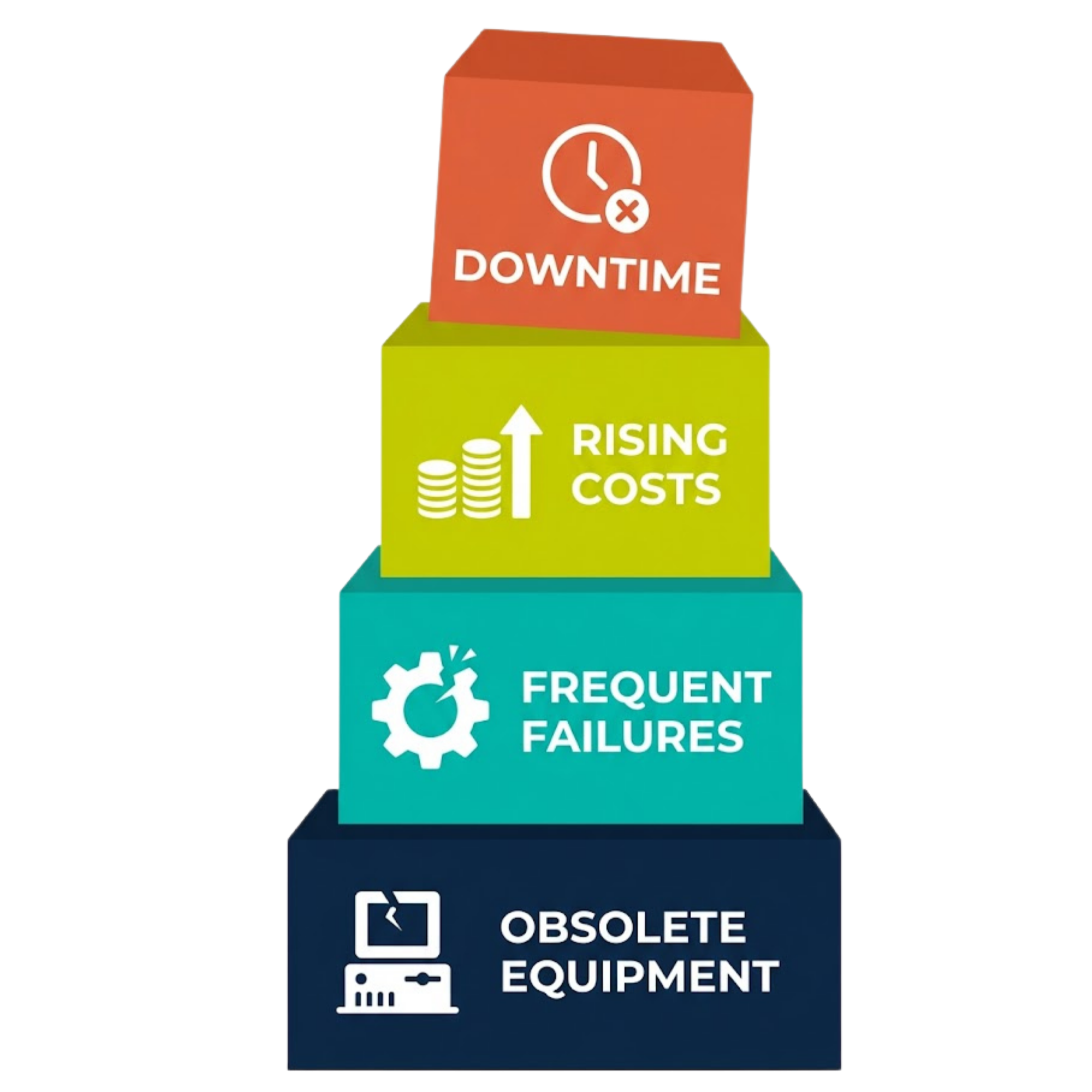
Failure is not hypothetical—it’s inevitable.
And when it happens, the cost isn’t just repair. It’s:
Lost production
Missed delivery commitment
Safety exposure
Emergency replacement at premium cost
If you are still running this system, you are one failure away from unplanned downtime.
Modernize Your Electrical & Controls Systems—With Planned Downtime, Not Unplanned Failures
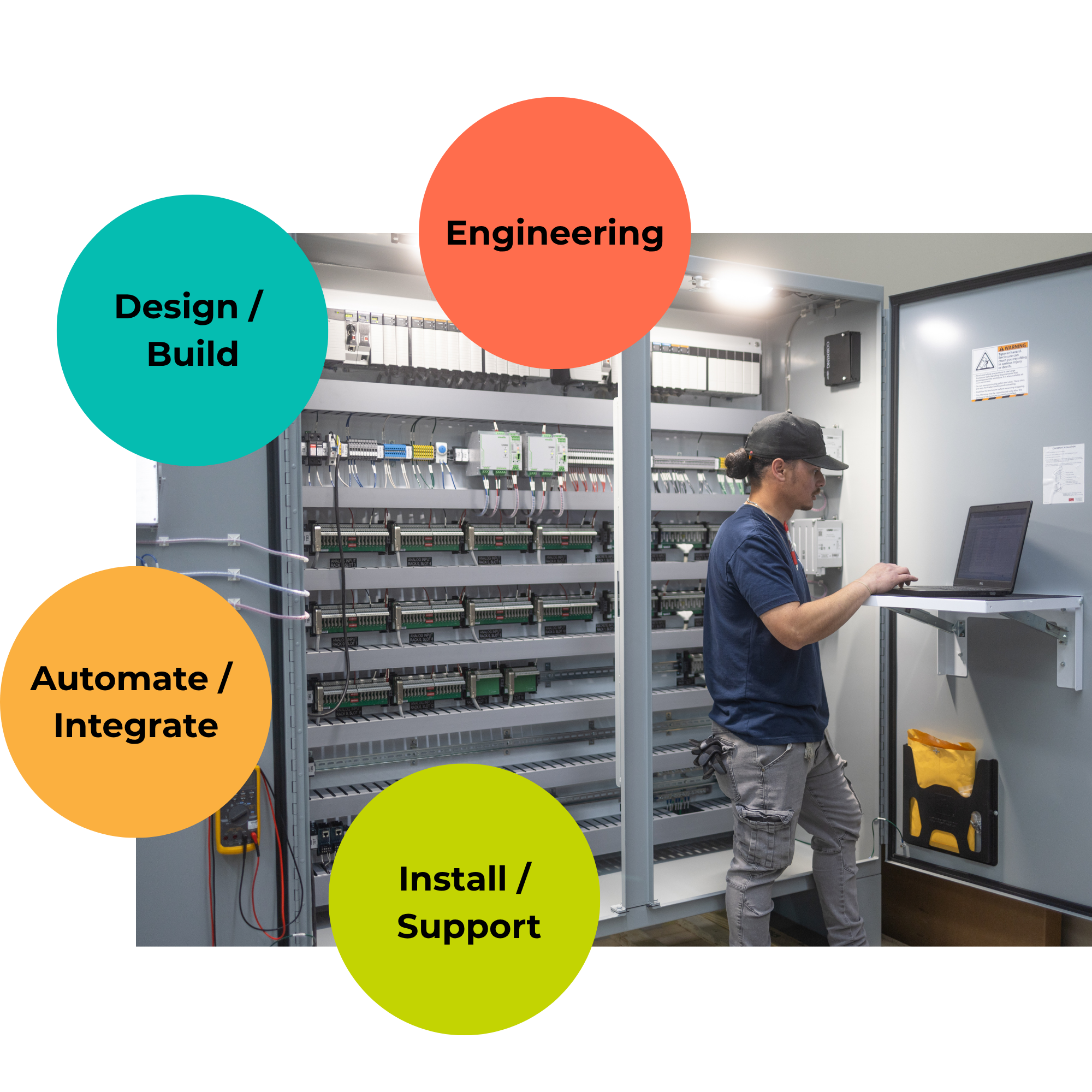
Agilitech helps industrial operators modernize, automate, and execute complex electrical and controls systems—without shutting down operations.
Our Approach Includes:
System assessment and lifecycle evaluation
Controls architecture redesign
PLC / HMI upgrades and integration
Panel design and fabrication
Electrical infrastructure upgrades
Phased implementation to avoid downtime
Commissioning and long-term support
Engineered for Execution. Built for Reliability.
Single point of accountability
from design through startup
Reduced risk
with integrated engineering + field execution
Faster timelines
with constructability built into design
Long-term performance,
not just installation
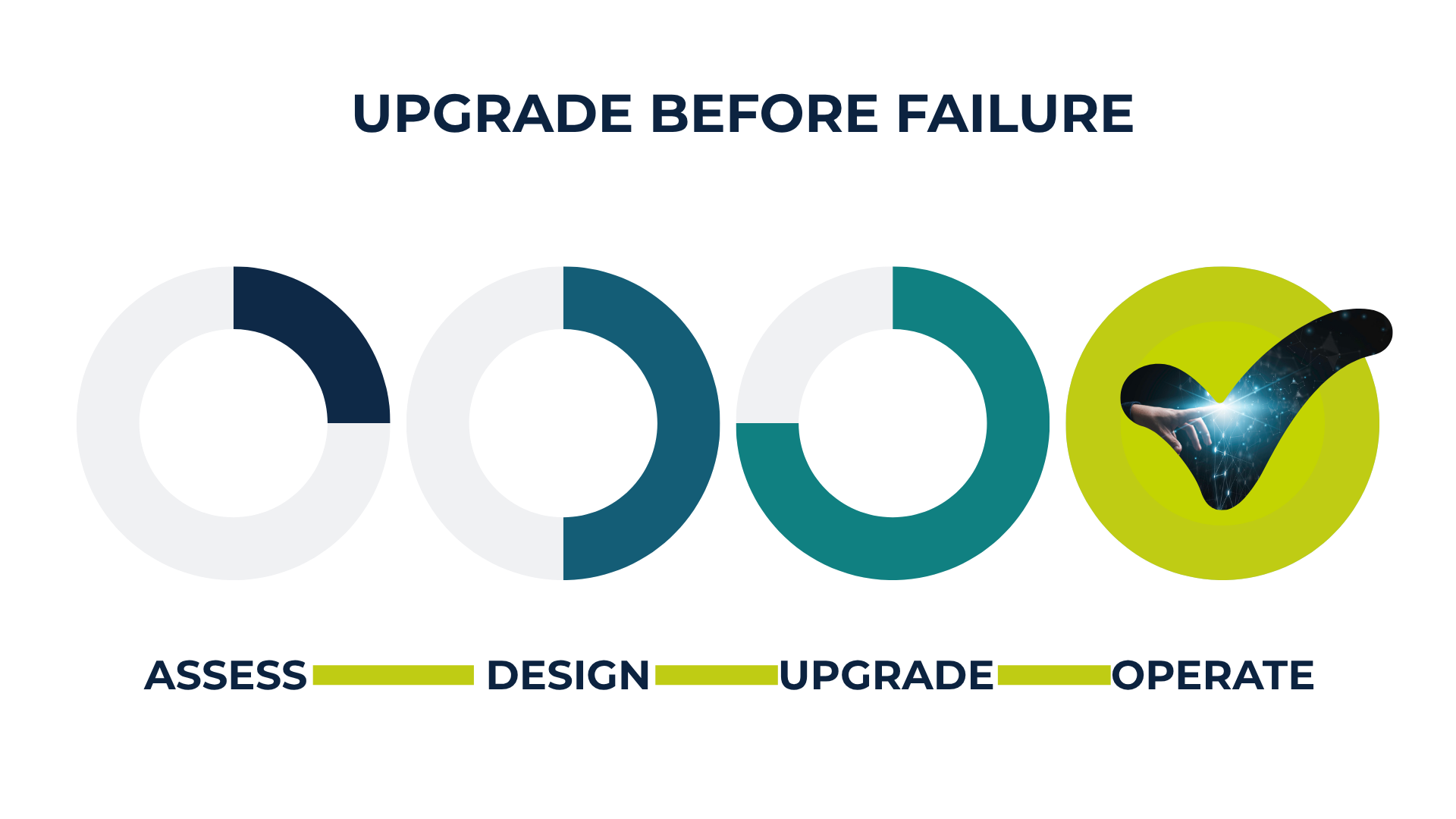
Don’t Wait for Failure to Force the Timeline
Most modernization projects happen reactively—after a system failure.
That’s the most expensive time to act.
The better move: assess now, plan proactively, execute on your timeline.
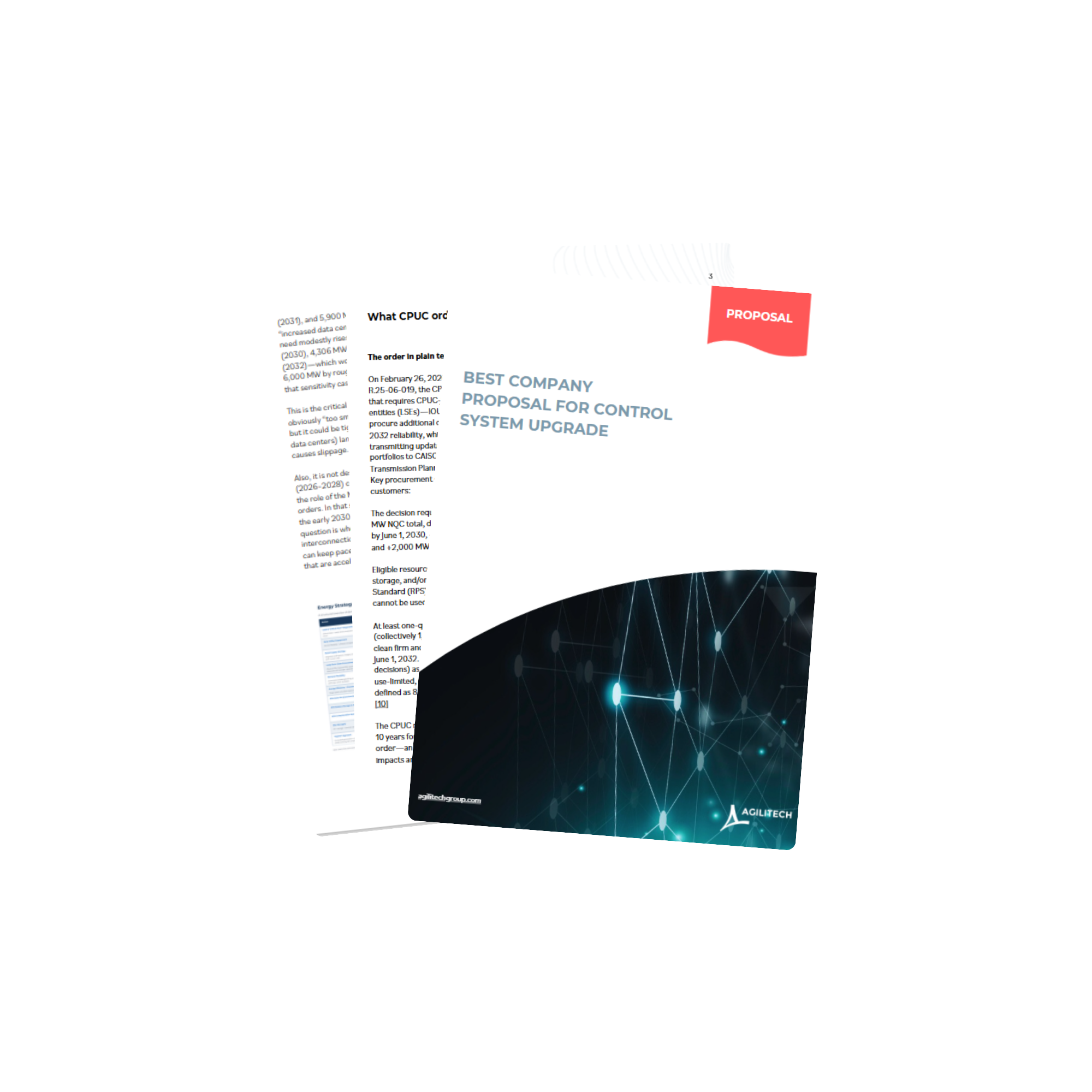
Your Next Step
Schedule Your Controls Assessment
Understand upgrade pathways
Get a phased execution plan
No obligation
View the Agilitech Privacy Policy.
Questions Industrial Operators Ask Before Upgrading Control Systems
FAQs
Will modernization require shutting down operations?
In most cases, no—modernization can be completed without full facility shutdown.
Agilitech uses a phased implementation approach, which may include:
- Parallel system installation and testing
- Scheduled cutovers during planned maintenance windows
- Temporary bypass or redundancy strategies
- Incremental upgrades by line, process, or control zone
For critical environments, we design around continuous uptime requirements, ensuring production is maintained while systems are upgraded.
Bottom line: Most clients maintain operations throughout the upgrade, with only brief, planned interruptions if required
How do I know if my control system is obsolete?
A control system is considered obsolete when it is no longer supported, increasingly unreliable, or difficult to maintain.
Common indicators include:
- OEM support has ended or replacement parts are hard to source
- Increasing frequency of faults, alarms, or system resets
- Reliance on outdated PLCs, HMIs, or legacy communication protocols
- Limited visibility into system performance or data
- Maintenance requires specialized or hard-to-find expertise
If your team is reacting to issues instead of preventing them, your system is likely past its intended lifecycle.
Rule of thumb: If failure would cause significant downtime and replacement parts aren’t readily available, you’re already at risk.
Can you upgrade our system without replacing everything?
Yes—most projects are designed as targeted upgrades, not full rip-and-replace.
Agilitech engineers solutions to:
- Integrate with existing infrastructure where viable
- Replace only high-risk or obsolete components
- Modernize controls while preserving functional assets
- Improve performance without unnecessary capital spend
This approach reduces:
- Project cost
- Implementation time
- Operational disruption
Outcome: You get a modern, reliable system without overbuilding or overspending.
What does a controls modernization project typically include?
A typical modernization project may include:
- Control system assessment and lifecycle analysis
- PLC and HMI upgrades
- Electrical panel design and fabrication
- Network and communication improvements
- System integration and programming
- Phased installation and commissioning
- Documentation and operator training
Every project is scoped based on your current system condition, risk profile, and operational goals.
Because we maintain strong relationships with financing providers across the commercial, industrial, government, and non-profit sectors, we can align you with the structure that best supports your business objectives—whether that’s maximizing tax incentives, preserving working capital, or accelerating payback.
What industries do you support?
Agilitech supports industrial and process-driven environments where system reliability is critical, including:
- Energy and power generation
- Manufacturing and production facilities
- Water and wastewater systems
- Food and beverage processing
- Chemical and process industries
If your operation depends on continuous uptime, automation, or process control, you are a strong fit.
The result is a seamless installation experience—engineered to deliver long-term savings without unnecessary interruptions to your day-to-day business.
How long does a controls system upgrade project take?
Timelines vary based on system complexity and scope, but most projects follow a structured path:
- Assessment
- Engineering & design
- Fabrication & procurement
- Installation & commissioning
Phased execution allows upgrades to occur without waiting for a full system shutdown, accelerating time to value.
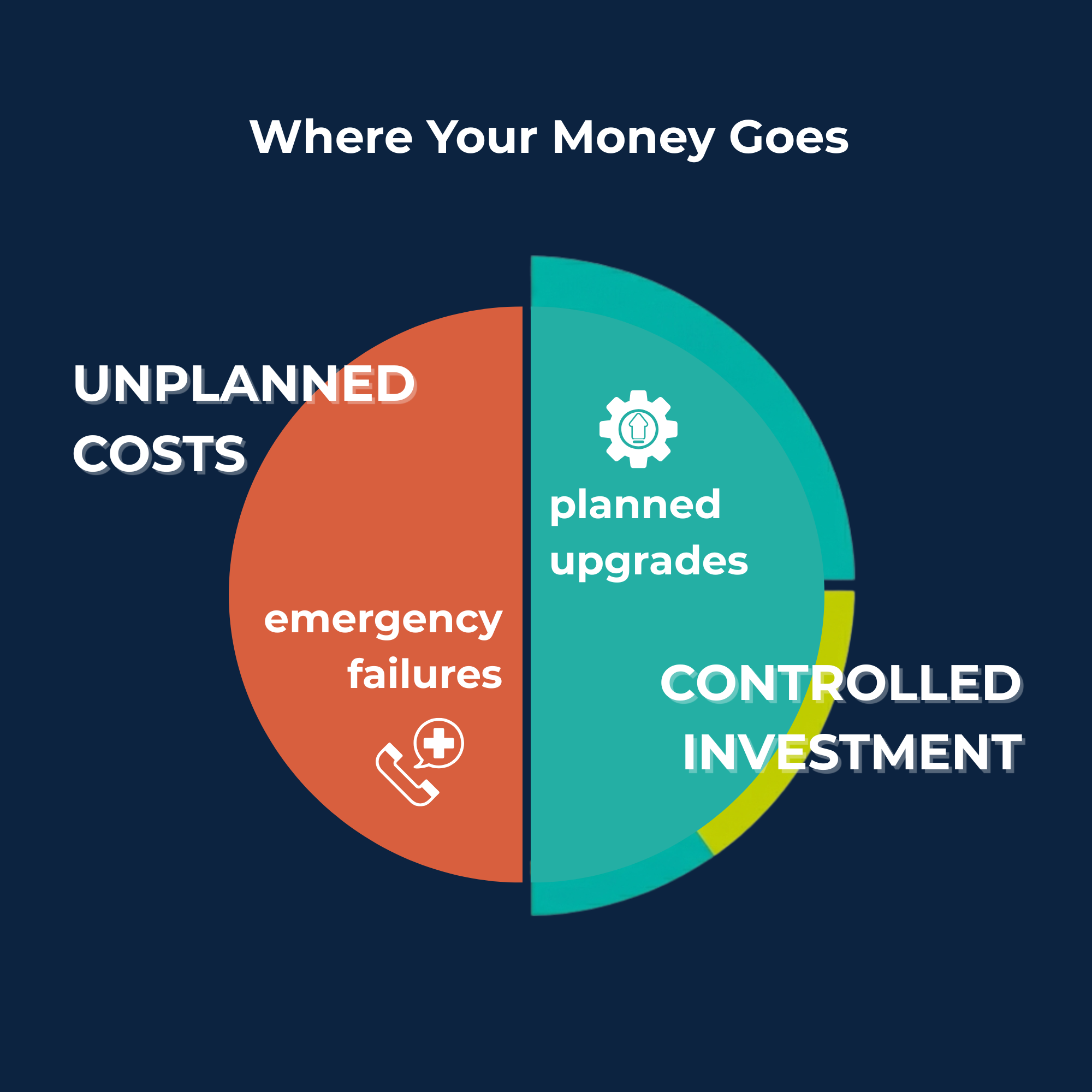
What are the biggest costs in waiting to upgrade?
Delaying modernization typically increases total cost due to:
- Emergency repairs at premium rates
- Expedited parts sourcing or custom fabrication
- Unplanned downtime and lost production
- Safety or compliance risks
- Inefficient system performance
Reactive spending can be 3–5x higher than planned upgrades over time.
Key insight: The most expensive upgrade is the one you’re forced to do after failure.
What is the first step to get started with a Control Systems Upgrade?
The first step is a Controls Assessment.
This includes:
- Evaluation of current system condition
- Identification of high-risk components
- Lifecycle and obsolescence review
- Upgrade pathways and prioritization
- Budgetary guidance and phased roadmap
This gives you a clear, actionable plan—even if you don’t move forward immediately.
Know Your Risk. Plan Your Upgrade.
Get a clear view of your system’s condition, risks, and upgrade path—before downtime makes the decision for you.
Featured Projects
We take the best that exists and make it better. If it doesn’t exist, we design it.